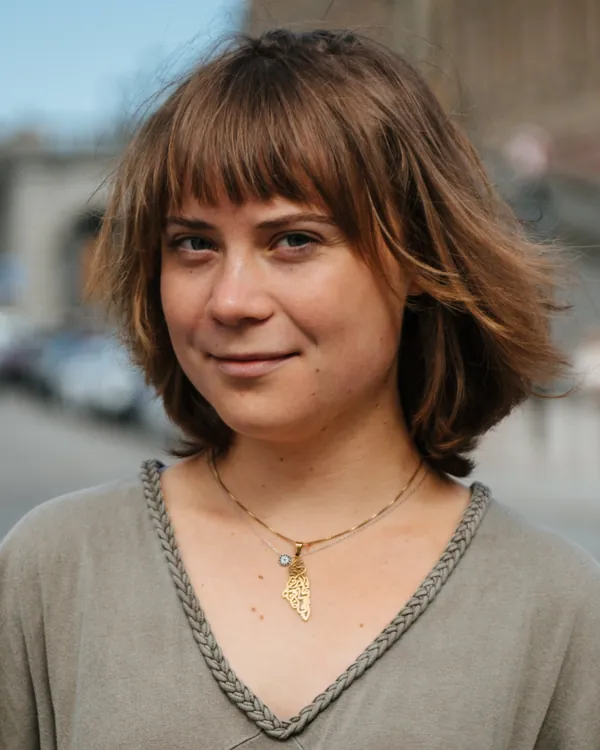
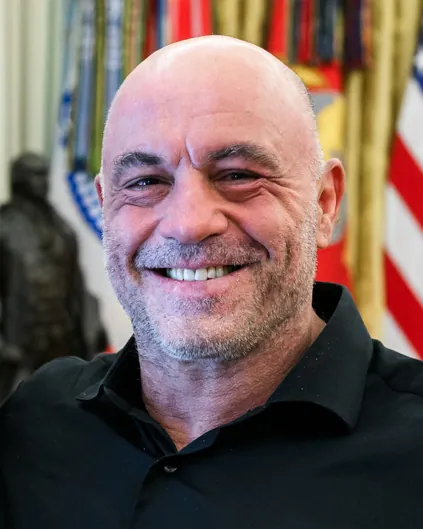


Richard Heart on The Joe Rogan Experience
1,187votes
Richard is the greatest founder of our time. The man the myth, the benevolent king. He sets precedents in the space and can’t be ignored.Left with a vote
About dLogos
Fans name the guest and the show they want to hear, in public. Every vote carries a name, so a host can see exactly who is asking.
Every one of these is a vote nobody counted. We count them.
The name
Dia is through, across, between. Logos is the word: the account a society gives of itself.
A dialogue is meaning that moves between people, not down from a podium. The d is for decentralizing.
The Logos leaves any one set of hands and goes to everyone who wants to hear it.
The lineage
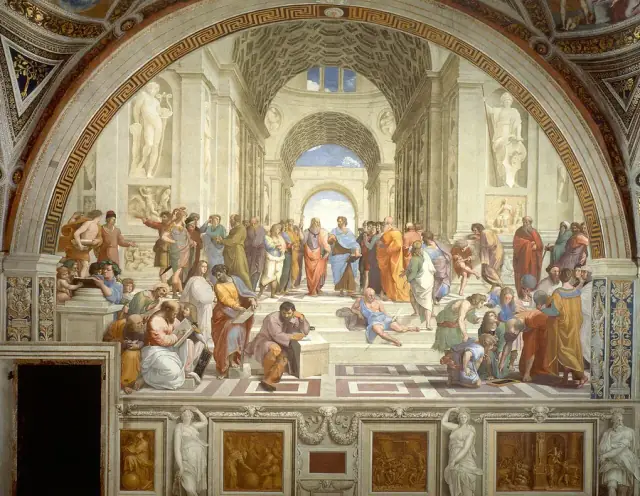
5th c. BCE
Citizens argued in the open, in person, for anyone who showed up.
Raphael, The School of Athens, 1509 to 1511
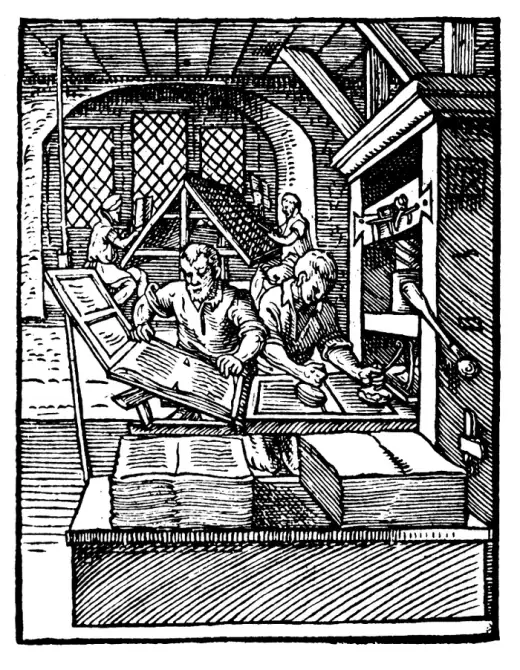
1440
An argument could outlive the room it started in.
Jost Amman, woodcut, 1568
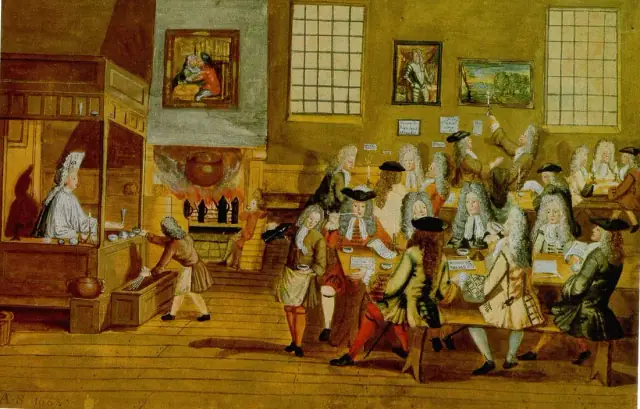
17th c.
Strangers debated across class for the price of a cup. London called them penny universities.
A London coffee house, about 1700
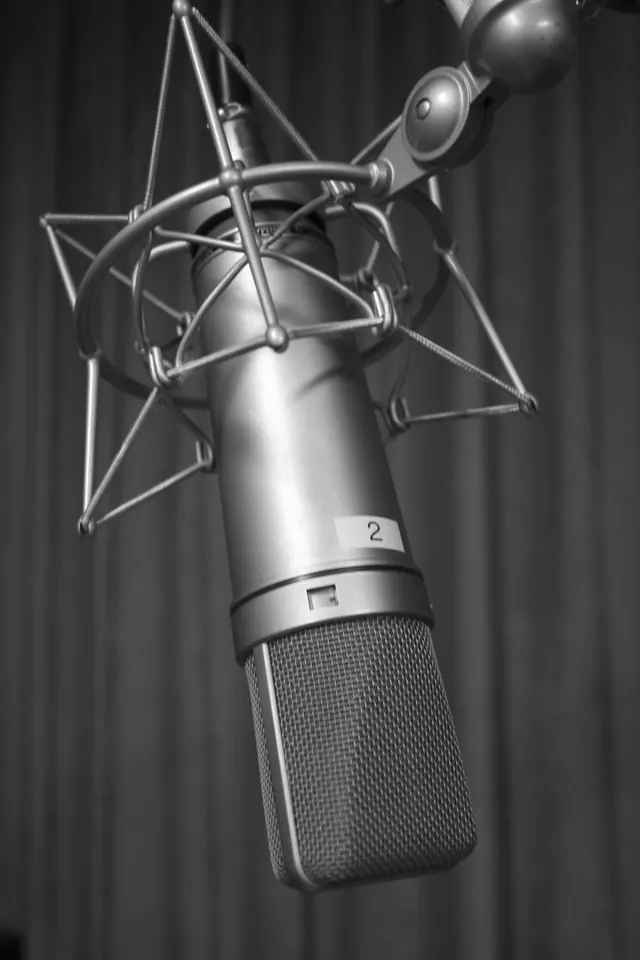
2000s
Three hours, no editor, no time limit. One person still decides who sits down.
Now
The audience calls the conversation before it airs. The room decides who is in it.
Every earlier leap changed the medium. This one changes who calls the conversation.
One had $2.6 million in pledges behind it and still never aired. The rest are waiting for someone to ask first.
Exhibit A · June 2023
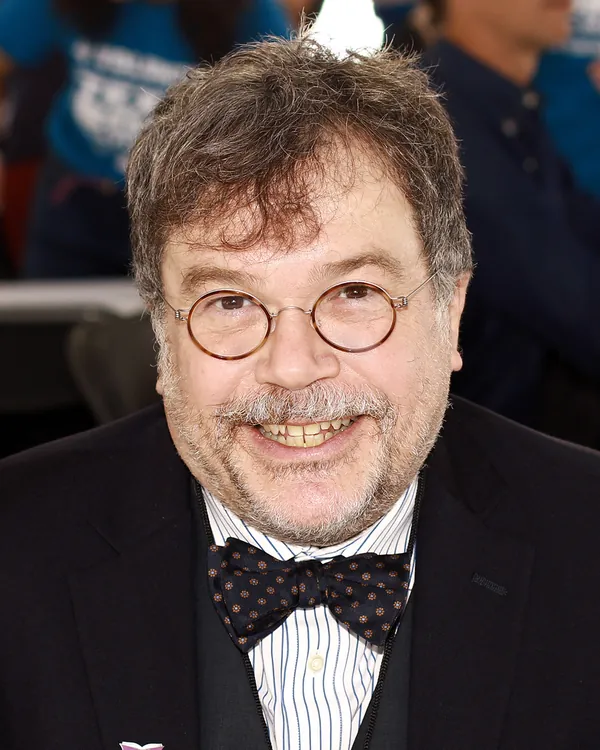
$2.6M+pledged in posts
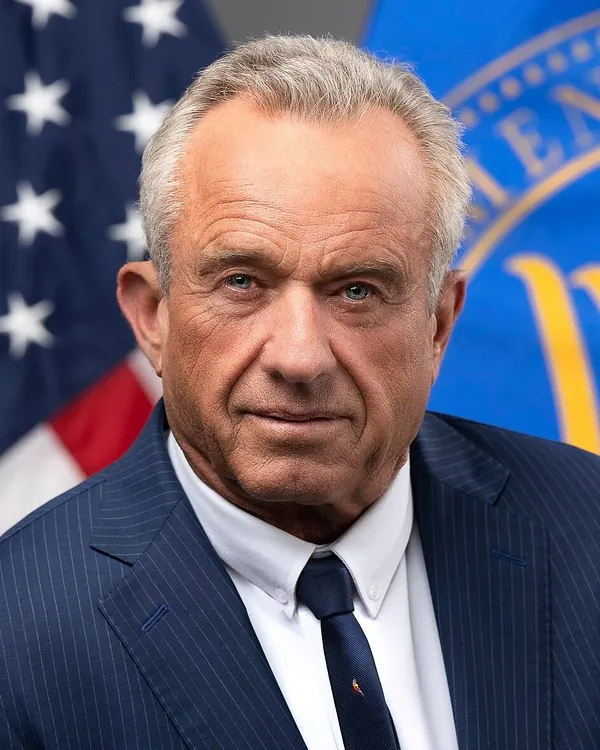
Photos via Wikimedia Commons: Larry D. Moore, CC BY 4.0. U.S. Department of Health and Human Services, public domain.
Exhibit B · Not yet
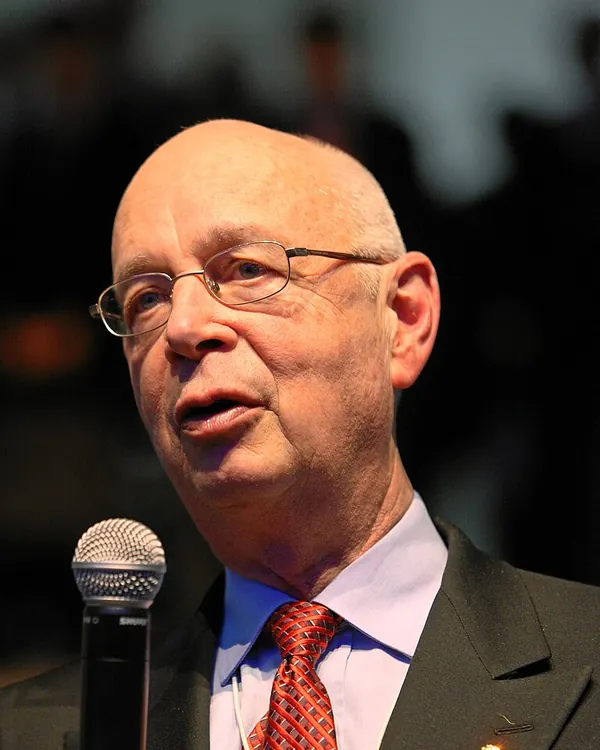
Photos via Wikimedia Commons: World Economic Forum, CC BY-SA 2.0. Lex Fridman, CC0.
Exhibit C · Not yet
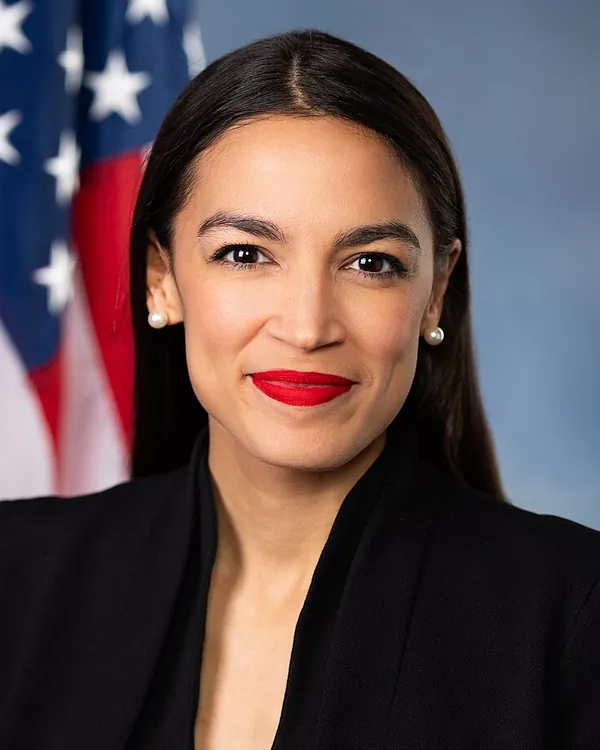
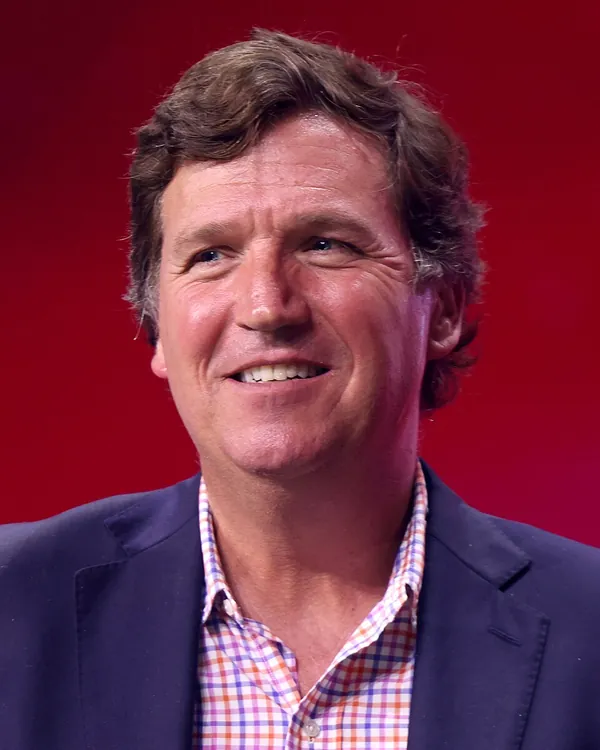
Photos via Wikimedia Commons: Franmarie Metzler, U.S. House Office of Photography, public domain. Gage Skidmore, CC BY-SA 4.0.
Exhibit D · Not yet
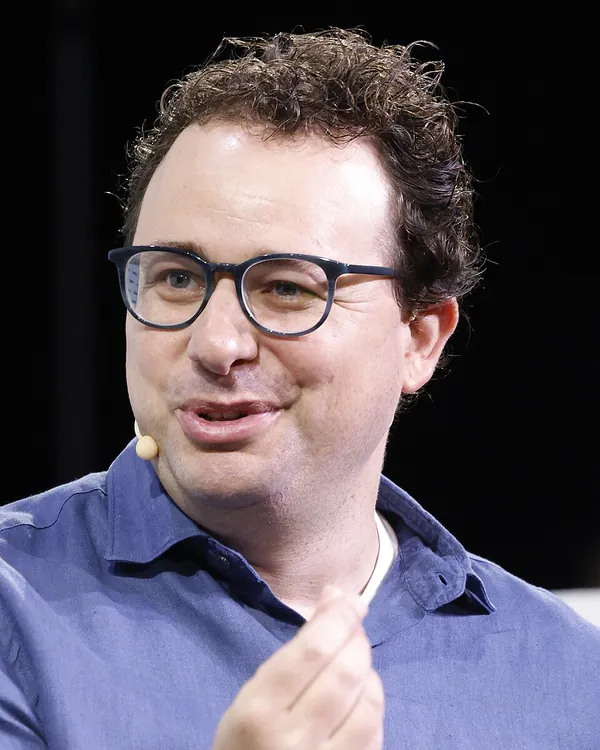
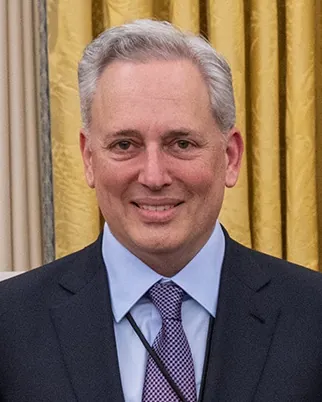
Photos via Wikimedia Commons: TechCrunch, CC BY 2.0. The White House, public domain.
Exhibit E · Not yet
Photos via Wikimedia Commons: Kushal Das, CC BY-SA 4.0. The White House, public domain.
Who decides
How it works
A fan names a guest and a show, and says why. The nomination gets its own public page.
Live
Others add their vote, one per person, each with a name on it. A wish becomes a count.
Live
Anyone can file a question, and the crowd votes on those too. The agenda is argued before the booking.
Live
Boosts put a nomination in front of more fans. Pledges, charged only if the episode happens, are rolling out.
Boost livePledge rolling out
The host sees the count, the top questions and every name behind them.
Happening now
Live from dlogos.xyz, refreshed every 30 minutes.
1,187votes
Richard is the greatest founder of our time. The man the myth, the benevolent king. He sets precedents in the space and can’t be ignored.Left with a vote
97votes
Can you share insights on Mahindra Group's upcoming electric vehicle initiatives?1 vote
2votes
Charles is the opposite of longevity hype. It will be really interesting to hear his live takes to balance the scales so to say :)Left with a vote
892votes
Can you elaborate on China's 'soft power invasion' and its impact on U.S. resources?3 votes
26votes
Smil is one of the most important scholars on energy, and this will work solidly with Dwarkesh!Left with a vote
2votes
Teenage nostalgiaLeft with a vote
178votes
This is my choiceLeft with a vote
3votes+2 this week
'We are stardust' is a physics claim doing philosophical work1 vote
2votes
Not well known, but interesting insightsLeft with a vote
Who we are
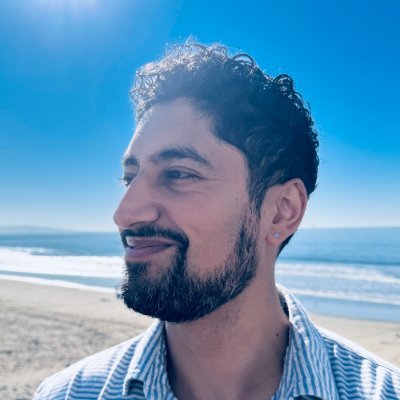
Co-founder, CEO
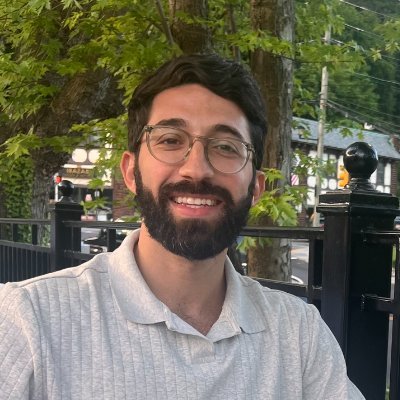
Co-founder, COO
What we stand for
Our mission
Every voice brings a dish. No one holds the menu; the community decides what gets served.
Curiosity over certainty. We show our sources, invite correction and change our minds in public.
We do not pick which conversations deserve to happen. We show what people ask for, including asks we would argue with.
dLogos is legally a public benefit corporation. Its public benefit is the civic infrastructure it builds: giving people agency over which important conversations happen, what gets discussed, and where the resulting economic value flows. Financial returns sustain and scale that purpose.
Audiences organize demand before a conversation is recorded, alongside the hosts and guests who state their own.
Incentives for valuable conversations across communities and viewpoints that might otherwise stay siloed.
Some of the economic value participation generates can flow to vetted organizations that produce social benefit.
Where this goes
We call it a discourse market: one network where fans, hosts, guests, causes and sponsors meet around the conversations people ask for.
Fans bring attention, questions and a name on the record. They get the episode they asked for.
Hosts bring the mic. They get proof an episode will land, before they book it.
Guests bring time and ideas. They get a room that's already listening.
Causes bring a reason to give. They get funding tied to moments people care about.
Sponsors bring capital. They get their name on a conversation people asked for.