RS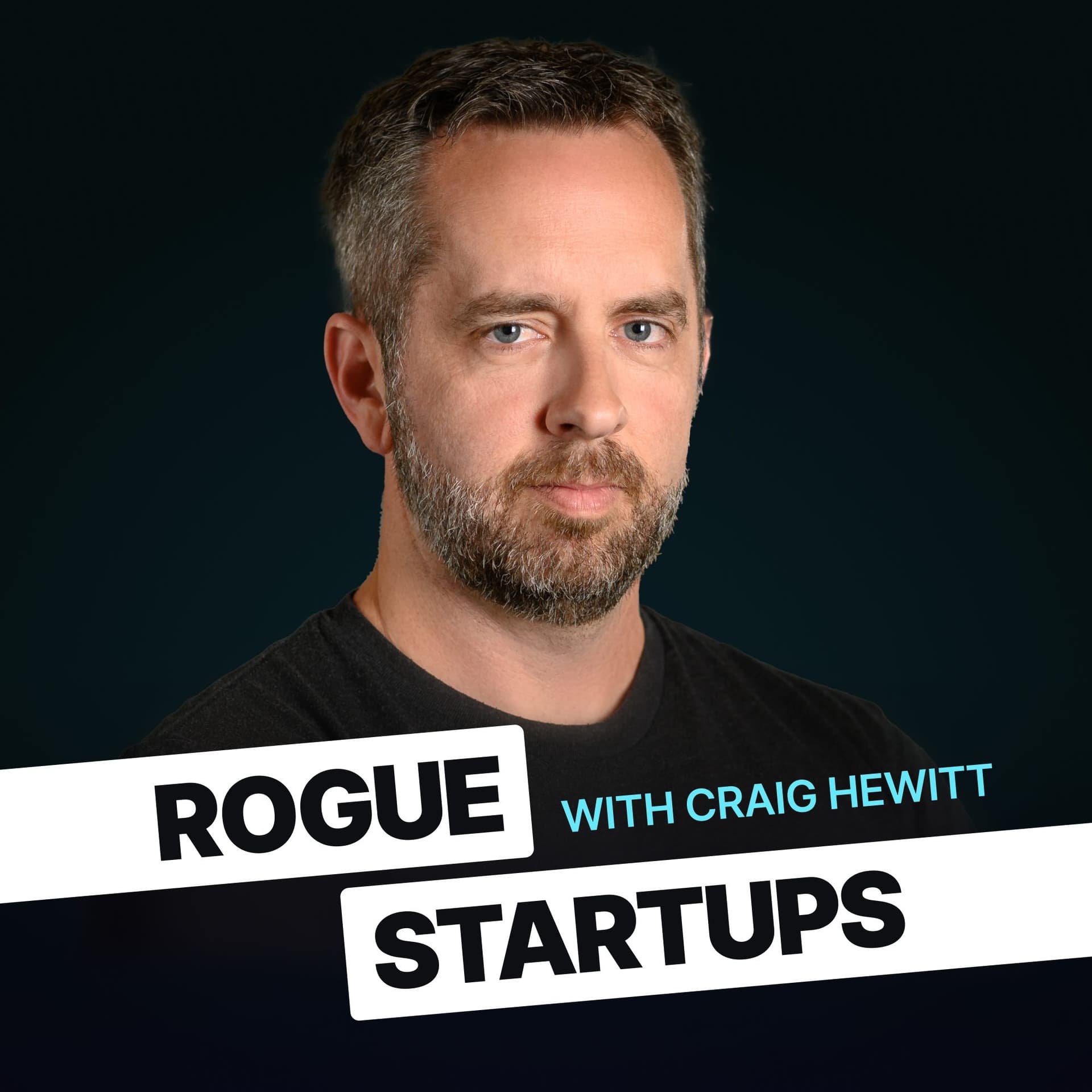
Rogue Startups
Is the SaaSpocalypse Over?
10/22/202643:44
0:0043:44
In this episode Craig talks with Aaron, who built DocsBot, an AI customer support agent that's almost four years old, about what AI is really doing to SaaS. Aaron shares DocsBot's numbers: slower growth and fewer new customers, but more revenue per customer and lower churn after narrowing in on the right customers. They also get into what it costs to run an AI product, how to choose and switch models, and the AI tools Aaron is excited about next. Topics discussed Growth in the AI era: new customer acquisition is down year over year, but revenue per customer is up 20% from last year Finding the ideal customer: talking to customers, cancellation surveys, and pointing AI agents at all of the product and Stripe data, after reading Jason Cohen's book Hidden Multipliers Signal density: why founders with only a handful of customers struggle to draw conclusions Where customers come from now: organic search, AI search, referrals, conferences like WordCamp, and an agency partner program Why big companies move slowly: and why that makes larger customers stickier Churn to DIY: churned customers citing AI or their own custom solution went from 1.6% to 13%, and most weren't a good fit anyway Pricing around token costs: from bring-your-own-key to included usage to AI credits Evaluating new models: why letting customers edit their system prompt makes evals hard, and a classifier that behaved differently on GPT-5.4 Choosing models: balancing cost, speed and quality instead of reaching for the newest model Local and specialised models: embedding models, Cohere for other languages, and Mistral for PDF extraction Privacy: a tiny model in the chat widget that redacts personal information before it leaves the user's browser What's next: using a new model to re-rank search results at a fraction of the cost Key takeaways The biggest cheat code for finding your ideal customer, in Aaron's words, is to "talk to your customers". Don't pick your ideal customer by revenue alone: DocsBot's biggest enterprise customer uses the product completely differently from almost everyone else. Customers who leave to build their own alternative are often not best-fit customers: too price sensitive, a tiny team, or not enough support tickets. Bring-your-own-key let a fully bootstrapped company launch an AI product without paying for inference for about the first two years. For an AI support agent, speed matters, so the newest model on its highest reasoning setting isn't always the right choice. Model upgrades can cause regressions that evals don't necessarily show.